Review of the UBC Annual Symposium 2025: Bioinformatics in the age of AI
Review of the UBC Annual Symposium 2025: Bioinformatics in the age of AI
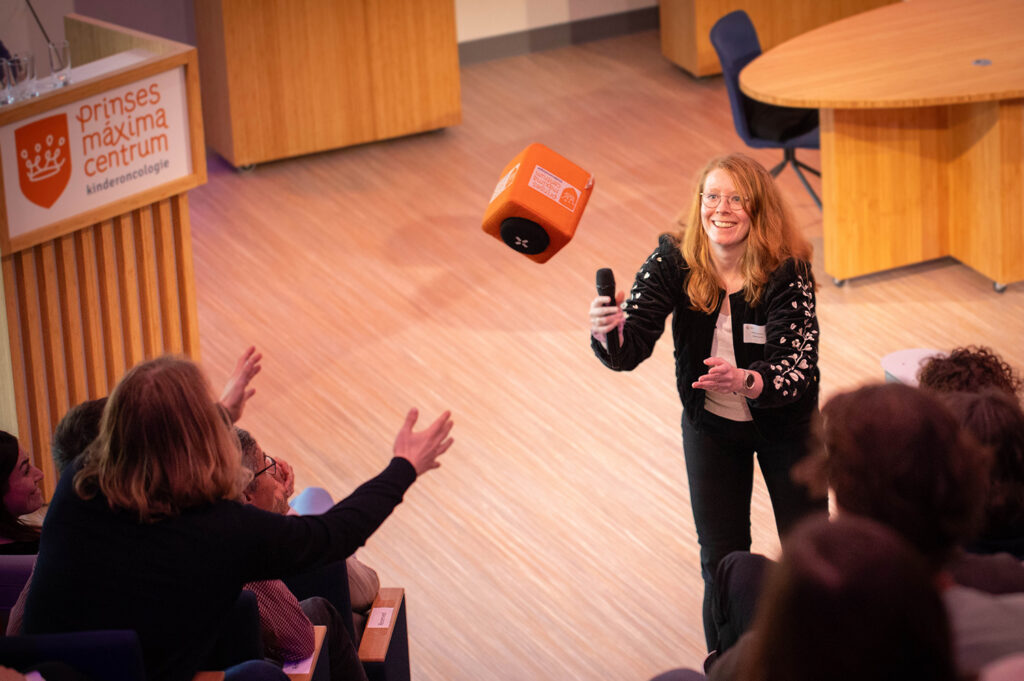
Artificial intelligence is rapidly transforming the field of bioinformatics, and this development took centre stage at the 11th UBC Annual Symposium. The event brought together a vibrant community of researchers, students, and other professionals to meet and deepen our understanding of bioinformatics.
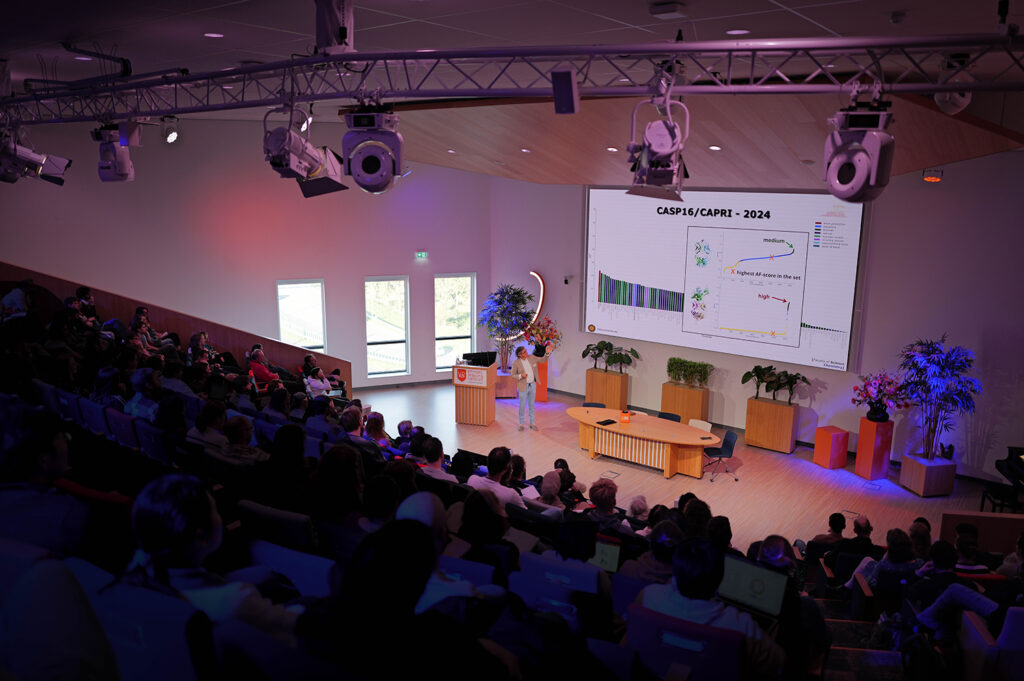
The symposium, held on 7 November 2025 at the Princess Máxima Center, explored the theme Bioinformatics in the Age of AI. The day featured three keynote lectures, two sessions of short research pitches and a poster competition. This created a full programme of inspiration and exchange for all bioinformatics researchers in Utrecht and beyond.
Keynotes: From molecular puzzels to RNA's secrets
The scientific programme opened with Alexandre Bonvin of Utrecht University, who presented how physics-based and AI-driven modelling can be used to solve the complex 3D puzzles of biomolecular interactions. His talk illustrated how computational approaches, like the HADDOCK software developed by his team, are advancing the way scientists investigate the molecular foundations of life.
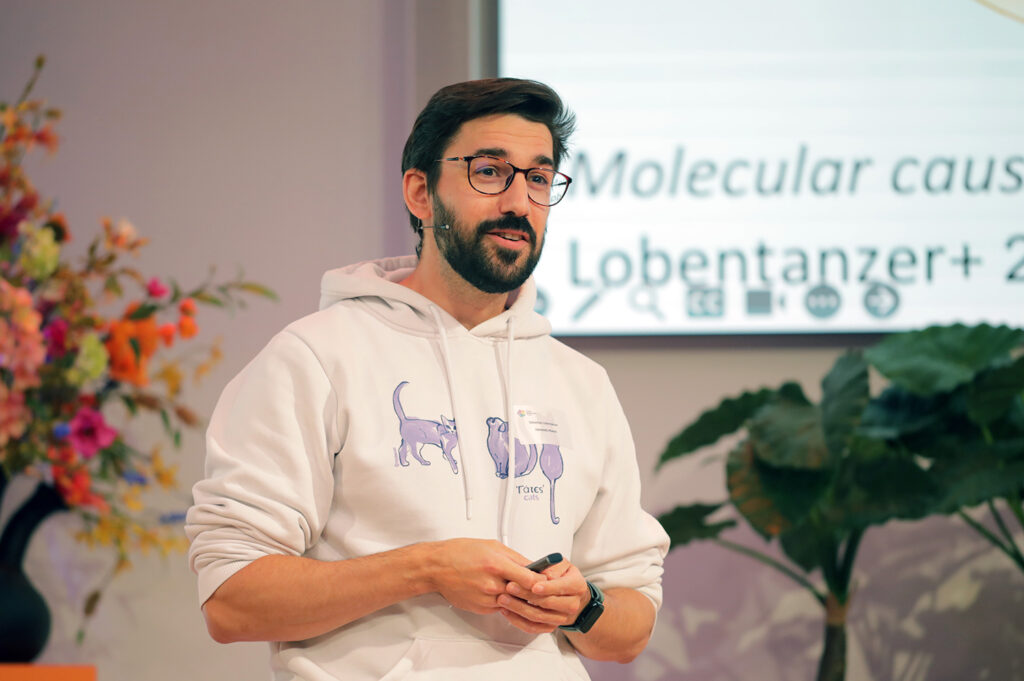
Later in the day, Sebastian Lobentanzer from Helmholtz Munich and EMBL-EBI delivered a lecture titled “Agentic Systems Are Upon Us.” He explored how intelligent systems that act autonomously can accelerate biomedical research and inspire new ways of thinking about data and discovery.
The closing keynote was delivered by Yiliang Ding of the John Innes Centre. She shared how her pioneering research on RNA structures in living cells is uncovering new insights into the ways gene regulation is controlled. Ding also praised the Utrecht bioinformatics community for its energy and involvement. She noted she was very pleasantly surprised to see such big crowd, all from the same bioinformatics community in Utrecht.
Pitch Talks & poster presentations
Between keynote lectures, early-career scientists presented their work in two pitch talk sessions: Machine Learning and Pipelines and Bioinformatics of Complex Traits. Topics ranged from protein embedding models and CRISPR-based analysis to transcriptomic profiling in disease and the computational study of plant and fungal systems.
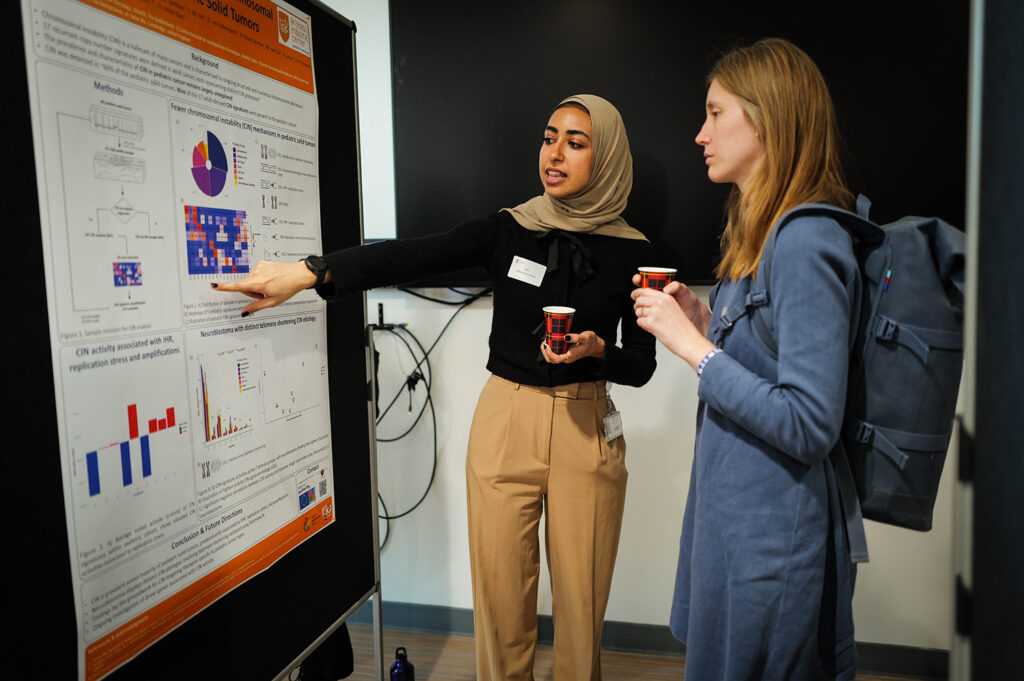
During the coffee and lunch breaks, the poster sessions created a pleasant atmosphere of exchange and networking. Roula Farag won this year’s poster prize, while jury also recognised Daphne van Ginneken and Viktorija Vodilovska with an honourable mention.
Bioinformatics and applied sciences
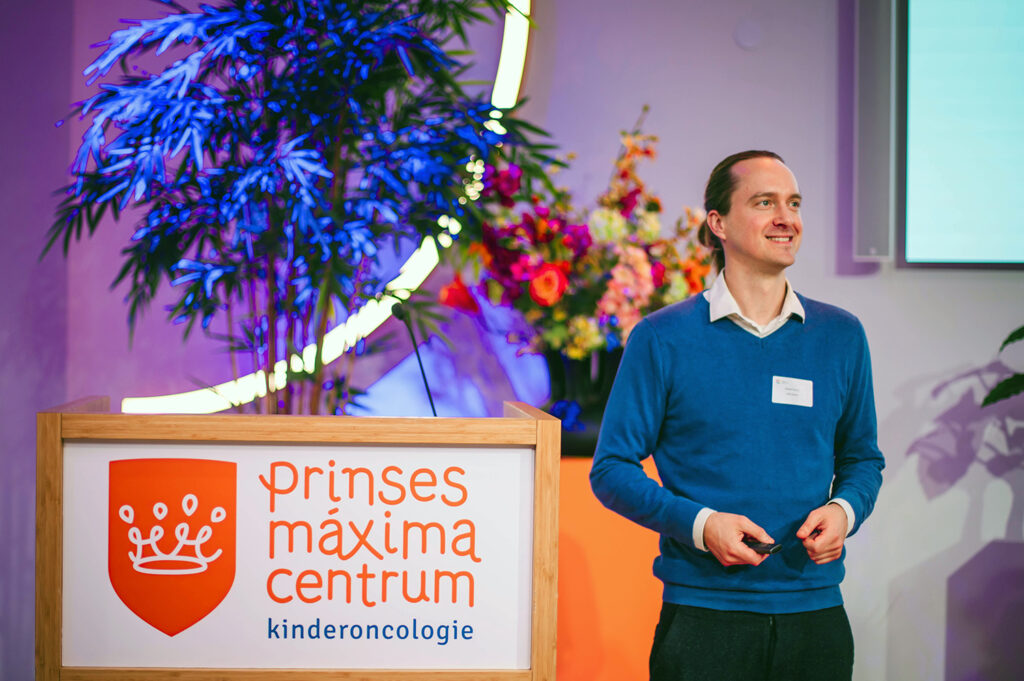
Another highlight of the morning was the presentation by Chris van Oevelen from HU University of Applied Sciences Utrecht, which recently joined the UBC network. Van Oevelen outlined how the HU aims to further embed bioinformatics within both education and practice-oriented research. He warmly invited attendees to collaborate and explore new opportunities for connection between the HU and other research institutes across Utrecht Science Park.
Reflecting on the event, UBC Board member Ronnie de Jonge expresses pride in the growing cohesion and enthusiasm of Utrecht’s bioinformatics community. “This year’s theme was highly relevant, with machine learning emerging as the most frequently mentioned expertise in the community. Also, it is inspiring to see how the community keeps evolving, with researchers and students eager to learn from one another. As keynote speaker Yiliang Ding noted, we truly have an interactive and dedicated community here. This what makes this symposium so special.”
We use essential cookies to make our site work. With your consent, we may also use non-essential cookies to improve user experience and analyze website traffic. By clicking “Accept,” you agree to our website's cookie use as described in our Privacy policy. You can change your cookie settings at any time by clicking “Preferences”.
This website uses cookies to improve your experience while you navigate through the website. Out of these cookies, the cookies that are categorized as necessary are stored on your browser as they are essential for the working of basic functionalities of the website. We also use third-party cookies that help us analyze and understand how you use this website. These cookies will be stored in your browser only with your consent. You also have the option to opt-out of these cookies. But opting out of some of these cookies may have an effect on your browsing experience.
Necessary cookies are absolutely essential for the website to function properly. This category only includes cookies that ensures basic functionalities and security features of the website. These cookies do not store any personal information.
Any cookies that may not be particularly necessary for the website to function and is used specifically to collect user personal data via analytics, ads, other embedded contents are termed as non-necessary cookies. It is mandatory to procure user consent prior to running these cookies on your website.