Stay posted for the next UBC seminar, featuring talks by dr. Ernest Diez Benavente and a second speaker to be confirmed soon!
There will be an opportunity to ask questions and network during drinks afterwards.
We hope to see you there!
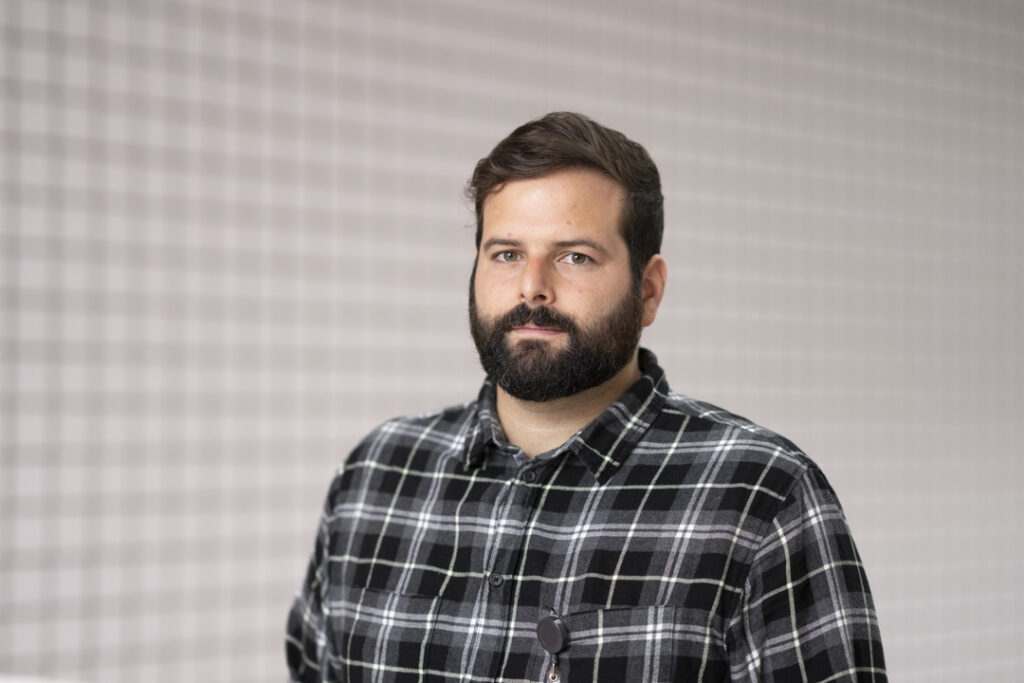
Dr. Ernest Diez Benavente
Biological ageing and multi-omics as a framework to understand mechanisms in cardiovascular atherosclerotic disease
Epigenetic age acceleration (EAA) is emerging as a tissue-based marker of cardiovascular risk, but the cellular and molecular mechanisms underlying accelerated aging in atherosclerotic plaques remain incompletely understood. In carotid plaques from patients with severe atherosclerosis, increased EAA was associated with cardiometabolic risk factors and independently predicted future cardiovascular events. Multi-omics analyses identified endothelial cells (ECs) and smooth muscle cells as key cell types associated with plaque EAA, with endothelial-to-mesenchymal transition linked to accelerated epigenetic aging. To further characterize these mechanisms, we integrated single-nucleus RNA sequencing, plaque proteomics, spatial transcriptomics, and experiments in primary plaque-derived ECs. Accelerated plaques showed pronounced transcriptional changes in ECs, particularly in extracellular matrix, inflammatory, and platelet-signaling pathways. Proteomic analysis identified platelet factor 4 (PF4) as associated with accelerated EAA. PF4 stimulation of plaque-derived ECs induced inflammatory and mesenchymal-like transcriptional programs resembling those observed in accelerated plaques, while spatial transcriptomics localized this program to luminal-adjacent ECs. Together, these findings identify endothelial plasticity and platelet–endothelial signaling as potential mechanisms linking epigenetic plaque aging to cardiovascular risk and highlight potential targets for reducing atherosclerotic complications
All interested are welcome to attend and registration is free