
Early Career Researcher Seed Grants awarded
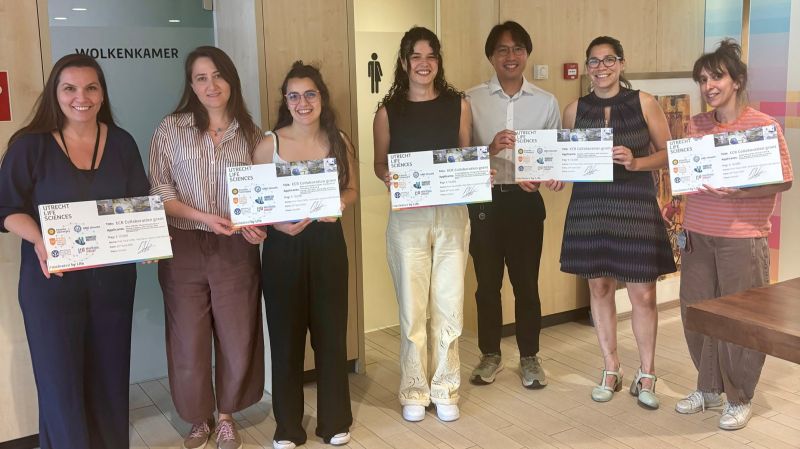
Six interdisciplinary research teams have received a 2026 Utrecht Life Sciences Early Career Researcher Seed Grant to launch innovative collaborations across Utrecht Science Park. The €10,000 grants support promising projects ranging from AI and cancer research to hearing, kidney disease, antibiotic resistance and nanoplastics. Read more about year’s award-winning collaborations on ULS’s LinkedIn page. Read […]
During outbreas, viruses may remain evolutionarily unchanged

A study led by Utrecht bioinformatician Jeroen Meijer reveals that viruses do not always evolve rapidly. A newly discovered bacteriophage remained genetically stable during major outbreaks in complex microbial communities but evolved quickly after entering a new community. The findings, published in Science Advances, provide new insights relevant to the future development of phage therapy. […]
Function crucial antibody far more complex
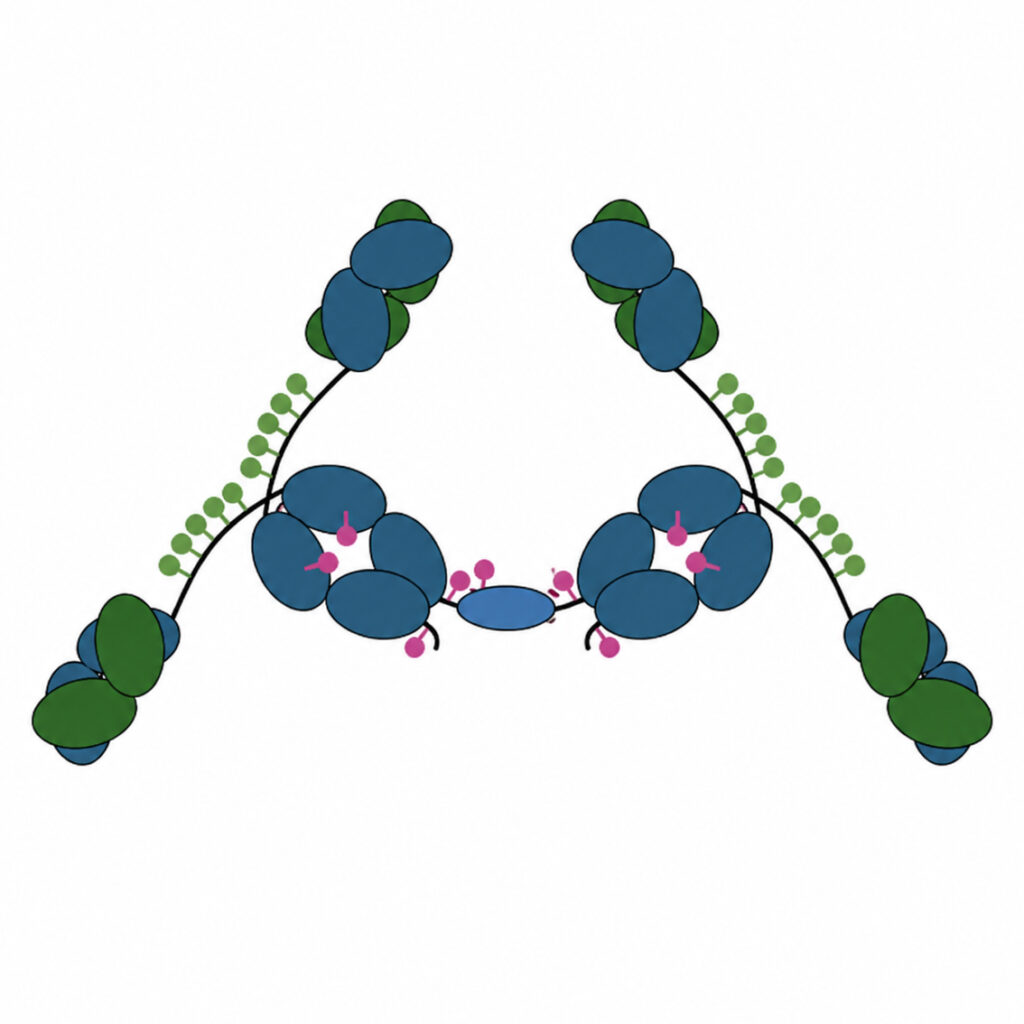
A surprising discovery about the antibody IgA is reshaping our understanding of the human immune system. Researchers at UU’s Bijvoet Cenntre found that this key antibody exists in a far more complex form than previously thought. This opens new possibilities for developing IgA-based therapies to treat cancer, infectious diseases and autoimmune disorders. Read more
Cancer Grand Challenges grants for Utrechts-based researchers
Several Utrecht-based researchers have been awarded prestigious Cancer Grand Challenges grants, each worth up to $25 million over five years. These grants are awarded by the Cancer Grand Challenges intiative, founded by Cancer Research UK and the National Cancer Instute, which identifies the most complex problems in cancer research and empower global, interdisciplinary teams to tackle these […]
EU Project ENSURE advances sustainable computing

The Bonvin group joins the Horizon EU funded ENSURE project led by EGI, to reduce the environmental impact of digital research infrastructures. Using standardized metrics, AI models and digital twins, ENSURE promotes sustainable computing. The HADDOCK webservice will serve as a use case to lower its CO₂ footprint via smarter job distribution across EGI/EOSC resources. Read more […]