
Vici grant for Roeland Berendsen
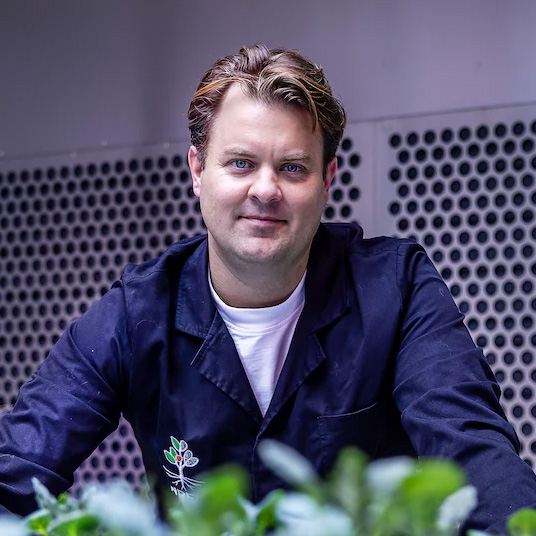
Roeland Berendsen has been awarded a prestigious Vici grant. His project, called ResistoBiome, combines AI, large-scale microbiome sequencing and advanced phenotyping at the Netherlands Plant Eco-phenotyping Centre (NPEC) to predict plant health and disease resistance. By harnessing beneficial soil microbes, the project aims to reduce chemical inputs while maintaining resilient, high-yield potato cropping systems. Read […]
Vici grant for Ynte Ruigrok

Ynte Ruigrok has been awarded a prestigious Vici grant (€1.5M) to investigate sex-specific mechanisms underlying brain aneurysms. Combining genetics, imaging and patient-derived cells, her team aims to identify blood-based markers for early risk detection. The may pave the way for improved prevention and treatment of this life-threatening condition. Read more on the website of the UMC
Recent publications by UBC members

Below, you can find an overview of publications by UBC principal investigators during the period from December 2025 – February 2026. Benchmarking fungal species classification using Oxford Nanopore Technologies long-read ITS metabarcodes Fungal Genetics and Biology, Vol.181 , December 2025 Abigail Graetz et al. (With Duong Vu) Matthews correlation coefficient-based feature ranking in recursive ensemble […]
Launch of the European Exposome Alliance

Roel Vermeulen co-launched the new Exposome Alliance at the European Parliament. The Alliance aims to shift EU policy from treatment to prevention by addressing lifelong environmental and social exposures driving chronic disease. The alliance calls for a 1 billion euro “Mission Exposome,” a 10-million-person cohort, and a European Exposome Data Space to strengthen science-policy impact. See also this article […]
Grants for Tuncay Baubec and Hanneke Vlaming
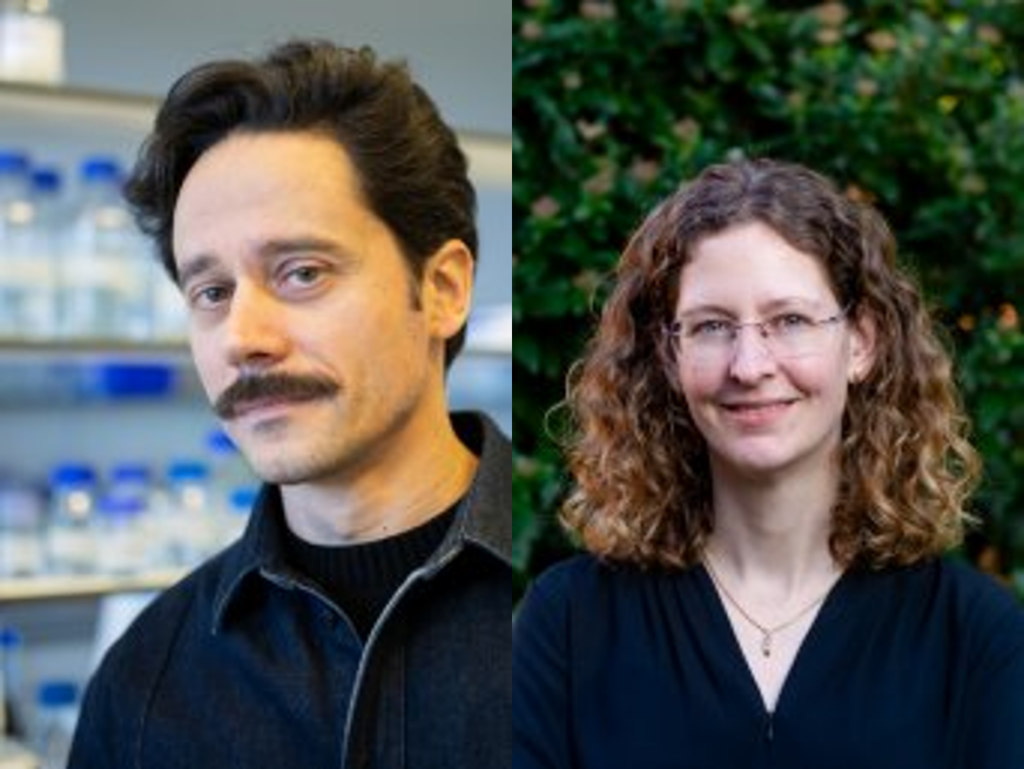
Tuncay Baubec and Hanneke Vlaming have received NWO Open Competition ENW-M grants. Baubec will study how gene context shapes transcription factor activity, while Vlaming investigates proteins controlling early RNA termination. Their projects advance fundamental insights into gene regulation and cell identity, enabling innovative, high-risk research directions